This original patient guide supports an informed consultation and does not provide a diagnosis or individual treatment plan.
What this topic means
Placenta Previa can affect pregnancy planning, monitoring or birth decisions. The significance varies according to gestation, symptoms, medical history and examination findings.
How it is assessed
Assessment may include a focused history, examination, review of previous records and selected tests or imaging. Not every person needs every test.
Planning care
Care is individualised. Your clinician may discuss monitoring, symptom relief, medicines, procedures, timing of birth or referral depending on the findings and your preferences.
Specialist planning for a low placenta
Reassessment is expected
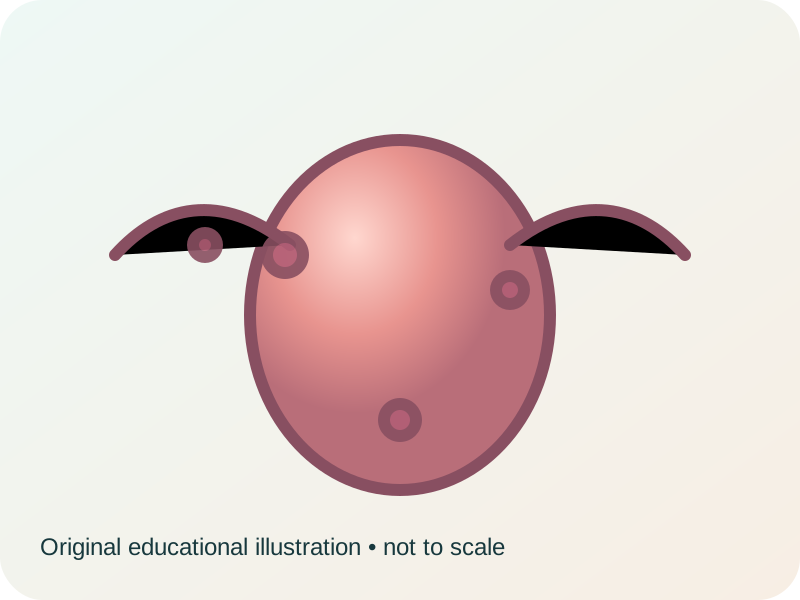
A placenta seen low at the mid-pregnancy scan may move away from the cervix as the uterus grows. Follow-up transvaginal ultrasound provides accurate distance measurement.
Accreta risk must be considered
Placenta praevia with a previous caesarean or uterine surgery should trigger targeted assessment for placenta accreta spectrum.
Bleeding changes the plan
Even if a planned caesarean date is set, bleeding, contractions or maternal and fetal concerns may require earlier delivery and immediate access to blood products.